10 Island Vent Hood That Are Unexpected
How to Ventilate an Island Vent Hood Suspended from the ceiling, an island vent hood assists distribute air and keeps your kitchen devoid of smoke and odors. It's likewise an elegant function that improves your cooking area. Ventilation types consist of external venting, which pushes air through ductwork to the outside of your home, and recirculating models that filter and recycle cooking fumes. Some hoods can even be converted between one and the other. Ventilation Unlike wall-mounted range hoods that vent air vertically through the wall to the outdoors, island vent hoods utilize ductwork that goes through the ceiling to exhaust the cooking area to the outdoors. The difference is that they can also be used to recirculate air. 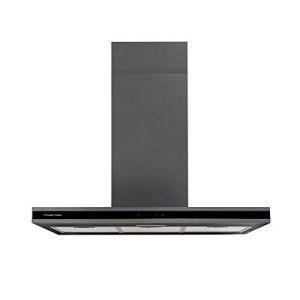 Discover our choice of industrial and designer custom hoods with powerful ventilation systems. With personalized requirements, discover the perfect hood for your kitchen space. Dacor's ConnectOn auto-responsive technology turns on the hood and increases the fan speed in reaction to the cooktop, offering powerful efficiency while utilizing very little sound. It's simply another method that you can prepare with confidence. Add a touch of modern with this stainless steel pyramid-style wall-mount canopy hood. This hood with dignity accents advanced kitchen areas that follow a more traditional design style and clarifies of smoke, steam and cooking odors. Design Unlike wall-mounted range hoods that are mounted versus the wall, island vent hoods are suspended from the ceiling over an island or peninsula cooktop or range. They also use ductwork to exhaust air out of the home. This style is ideal for kitchens that have a great deal of open area, and it assists to include visual interest to your room. This new home features Blackberry stained cherry cabinetry on the criterion, and a natural stacked stone on the island and vent hood to match the Gunstock stain on the cabinets. 10ft ceilings and a skylight help to keep the kitchen intense and roomy. Noise While an island vent hood does a wonderful job of filtering smoke, grease and odors out of your kitchen, it can also develop some sound that interferes with the tranquility of your cooking area. Thankfully, there are some strategies you can use to reduce this noise and allow you to prepare in peace. Among the primary causes of excess range hood sound is brought on by fan motor issues such as stiff bearings or poorly oiled fans that produce a loud humming sound. Ductwork can likewise add to this problem particularly if the ducts are too little or if they are clogged with dust. The best method to minimize noise is to guarantee that your vent hood has the greatest airflow score that you can manage. The Home Ventilating Institute (HVI) suggests an air flow rate of 100 to 250 cfm for wall-mounted hoods over 30-inch large ranges. This hood must also have a multispeed fan to permit lower fan speeds during light cooking. One of the most basic methods to minimize the noise is to make sure that the ducting is smooth-walled, as corrugated duct restricts air flow. island extractor ought to also keep the duct runs as brief and straight as possible to prevent any kinking. Setup Ventilation of island range hoods is a various process than wall-mounted systems, given that they are suspended from the ceiling over an island or peninsula cooktop or range. They generally require a duct that goes through the ceiling and out through the roof, which can be a complicated project for an unexperienced homeowner. In addition, they need to be set up at least 24-inches to 36-inches above the cooking surface. The height might vary, depending on the size of the hood and the ceiling. If you have existing ducting and electrical wiring in the kitchen ceiling, this kind of vent hood is reasonably simple to set up. If not, it's recommended that you consult an expert. To begin installation, make sure the hood can fit through the opening you have actually chosen for the vent which it's the right width to accommodate the ductwork and exhaust. If the hood is too broad, it can decrease the effectiveness of the vent and will increase noise levels. Next, cut a little hole in the ceiling and utilize a wire cutter to inspect that there's no plumbing or electrical wiring near the hole. If there is, think about working with an expert for the job or changing to a recirculating system. If there isn't, you can begin the bigger vent hole by drilling locator holes with a drill and a ½-inch masonry bit in each corner of the location. Then use a jigsaw to cut the larger vent hole. Finally, add a drywall patch and paint to end up the task. When the hood is in location, you can run the electrical circuitry and link it to your breaker box. Follow your producer's instructions for total installation details.